Warehouse Cleanout
Locally owned, not a franchise. Every call goes to a real person, no AI, no call center. Same-day available, licensed and insured.
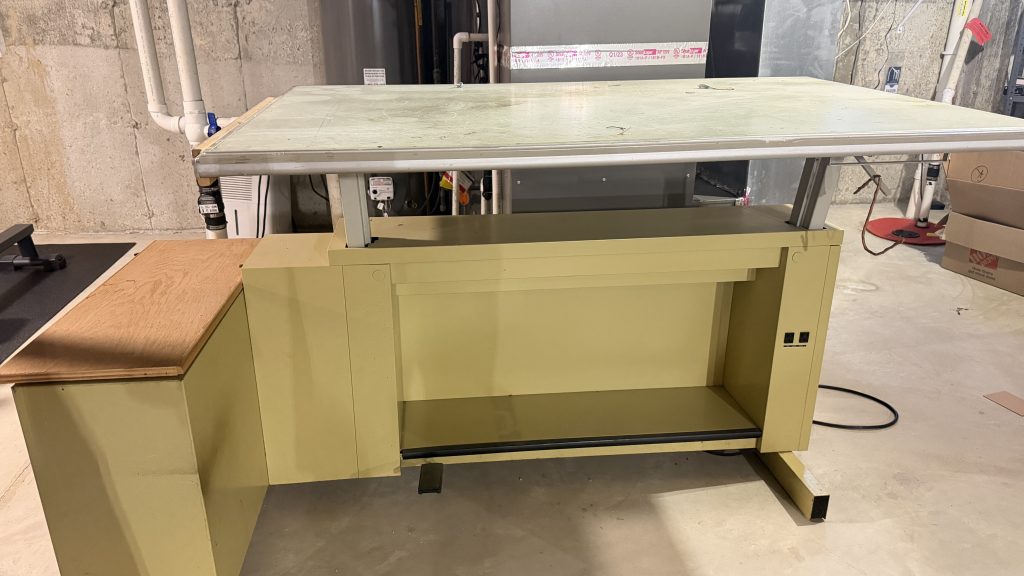
What We Take
- Industrial shelving and racking
- Pallets and crating
- Old machinery and equipment
- Overstock and unsellable inventory
- Scrap metal and materials
- Furniture and office items
- Debris and packaging waste
- Miscellaneous industrial items
Real Reviews from the Fox Valley
How It Works
You Get a Price
Tell us what you have and where it is. We give you the number on the phone before we schedule.
We Arrive and Confirm
We text 15 to 30 minutes before we arrive. On-site we look at the actual load and confirm the quote before we start loading.
We Haul It All
Everything quoted goes in the truck. When we leave, the space is clear and the job is closed.
The distribution center is consolidating, the 3PL contract ended, or the tenant walked and left a building full of pallet racking, damaged pallets, and a corner of shrink-wrapped inventory that never moved. Somebody has a deadline to give the landlord an empty building. That job doesn’t fit in a pickup truck, and it usually doesn’t fit in a single dumpster either.
Warehouse cleanouts are volume jobs. The math is different from a house or a storefront. Weight matters more than cubic yards, forklift access matters more than stair count, and the pace is set by how fast a truck can be loaded at the dock. Property managers, GCs handling tenant improvements, and business owners closing a location call us when the space needs to be cleared and the timeline is tight. We come in with the right equipment, we coordinate roll-up-door access, and we haul until the floor is empty.
What Counts as a Warehouse Cleanout
Almost anything that lived on a warehouse floor is fair game. The common list:
- Industrial pallet racking (teardrop, structural, drive-in), uprights, beams, wire decks, and safety netting
- Cantilever racking for long stock
- Wire shelving, rivet shelving, and mezzanine shelving
- Wood pallets: broken, GMA, custom, and heat-treated
- Plastic pallets and pallet collars
- Gaylord boxes, corrugated bulk containers, and stretched-out shrink wrap
- Unrecoverable inventory: damaged goods, obsolete SKUs, water-damaged stock
- Dumpster overflow from a prior cleanout that never finished
- Dock equipment: dock plates, wheel chocks, damaged dock bumpers, edge-of-dock levelers if unbolted
- Pallet jacks (broken), hand trucks, dollies, and cart parts
- Old office furniture from the warehouse office: desks, chairs, filing cabinets, break-room tables
- Battery chargers for electric equipment (batteries themselves are hazmat, more on that below)
- Conveyor sections and roller tracks if already disassembled
What we don’t take: forklifts with fluids still in them, lift-truck batteries (lead-acid or lithium, both are hazmat), 55-gallon drums with unknown contents, anything flammable or reactive, and anything that requires torch-cutting or heavy demo. If your job includes any of that, tell us on the phone. We’ll route you to a licensed hauler for the hazmat and handle the rest.
What Actually Drives the Price
Warehouse cleanouts are usually weight-based, not volume-based. A 40-yard rolloff full of empty pallet uprights weighs a fraction of the same rolloff packed with unrecoverable canned goods. Transfer stations charge us by the ton, so the invoice reflects that. Factors that move the number:
- Total weight. The single biggest driver. Steel racking is heavy. Damaged inventory can be very heavy. Cardboard and shrink wrap are light.
- Rack teardown labor. Bolted uprights, cross-braces, and wire decks come apart, but it takes time. Racking over 12 feet often requires a lift.
- Forklift or lift-truck needs. If a scissor lift, boom lift, or forklift is needed to reach upper racking, that gets added. If you already have equipment on site we can operate, that saves cost.
- Roll-up-door and dock access. A functioning dock with a leveler is the fast lane. Ground-level roll-up doors work but slow the load. No dock at all means everything gets hand-carried to the truck.
- Volume and truck trips. Some warehouse cleanouts take one truck. Others take five. We size the estimate to the number of trips it’ll actually take.
- Recyclable ratio. Steel racking rebates part of its own disposal at the scrap yard. Mixed damaged inventory doesn’t. Cleaner sorts save money.
Our residential curbside flat rate is $89 for a single item at the curb, which is a different universe from a warehouse job. Commercial cleanouts get an on-site walkthrough or a phone quote based on square footage, photos, and a rough weight estimate. The quote is the invoice.
How Bulk Disposal Actually Works for Warehouses, And When It Doesn’t
Municipal trash contracts don’t apply here. Aurora’s residential contractor is Groot at (630) 892-9294, and even for houses they cap bulk pickup at what one driver can lift. For a warehouse, they’re not the answer. Commercial waste haulers can bring rolloffs, but the container size only helps if you have the labor and equipment to fill it. A 40-yard rolloff packed with pallet racking is a two-day loading job for a small crew, and rolloff companies bill weight overages that can double the container price.
The break-even math tips toward hiring a full-service crew when the job includes teardown labor, forklift needs, or a mix of scrap and disposal that needs sorting. We bring the truck, the crew, and the sort. If you want to see how commercial disposal is actually priced in the Fox Valley, the Fox Valley disposal guides break down the difference between weight tickets, tip fees, and full-service hauls.
How This Compares to Your Other Options
- Rolloff dumpster rental. Works if you have a full labor crew already on payroll and time to load. Add container fees, weight overages, permits if it sits on a public right-of-way, and the labor to sort scrap from trash, and it usually costs more than a full-service haul once time is counted.
- Scrap dealer only. A scrap company will happily take the steel racking for free (sometimes even pay for it), but they won’t touch the damaged inventory, the office junk, or the broken pallets. You end up hiring two crews.
- Demolition contractor. Right choice if the job includes structural demo, mezzanine removal, or concrete cutting. Overkill for a fixture-and-inventory cleanout.
- Hiring us. Quoted flat, labor and disposal included, scrap sorted on the way out, dock coordinated, invoice matches the quote. One point of contact.
Where the Warehouse Debris Actually Goes
Warehouse jobs are the highest-recycling job we run. Structural steel from pallet racking, wire decking, and shelving goes to metal recyclers. All American Recycling on Mitchell Road and S&S Metal Recyclers on Sullivan Road are the two closest yards to Aurora, and both take rack steel. Wood pallets in reusable condition get offered to pallet resellers first. Broken pallets go to grinders that turn them into mulch or landscape material. Cardboard and shrink wrap go to fiber recyclers where the volume justifies it. Unrecoverable inventory heads to the transfer station.
The practical effect: on a clean warehouse job, sometimes more than half the load never sees a landfill. That’s the recycling ratio a locally owned crew can hit when there’s time to sort.
How We’re Different
When you call (630) 492-1490, a real person picks up. No IVR menu, no chatbot, no offshore call center collecting your details to route to someone who can’t actually schedule the job. If the property manager or the GC needs a certificate of insurance before the crew is on site, we send it before the job, not the morning of. We’re locally owned, licensed, and insured. On a commercial warehouse job the COI, the licensing, and the recycling routes are what property managers actually verify before they hand over keys.
What Happens the Day of Your Warehouse Cleanout
- You call or text. We ask what’s in the building, roughly the square footage, whether there’s racking to tear down, and what the dock situation looks like. Photos help. We give a phone quote or schedule an on-site walk.
- We send the COI if required. Property managers and GCs get certificates of insurance ahead of the job.
- We arrive and confirm the scope. If it matches the description, the price stays. If we find an extra bay of racking or a hidden pile of damaged inventory, we talk it through before touching anything.
- We stage the sort. Steel goes one way, wood another, general waste a third. Faster on the back end at the recycler and cheaper at the scale.
- We tear down and load. Racking comes apart, pallets get stacked, inventory gets bagged or boxed. Dock and forklift coordinated with your team or ours.
- We haul until the floor is empty. Multi-truck jobs run in sequence. You get progress updates as trips complete.
- You pay and get a receipt. Weight tickets available on request. The invoice matches the phone quote.
How to Prep for a Faster, Cheaper Warehouse Cleanout
Warehouse jobs are labor-heavy, and the biggest cost saver is decisions made before the crew arrives:
- Sort valuable-from-junk in advance. Anything being sold, transferred to another location, or returned to a vendor should be tagged or moved to one side. Ambiguity on site burns hours.
- Empty racking of stored goods. If the racking is coming out but the inventory is not, get the inventory off the shelves before we start. Teardown around loaded shelves takes twice as long.
- Confirm dock and roll-up-door access. Which doors work, which are chained shut, whether the leveler is functional. A five-minute conversation saves an hour on arrival.
- Handle hazmat separately. Lift-truck batteries, 55-gallon drums with unknown contents, and any flammables go to a licensed hazmat hauler before we arrive. We can point you to the ones we work with in the Fox Valley.
- Coordinate utility disconnects. Battery chargers, dock levelers, and any hardwired equipment we’re removing needs power cut at the panel.
- Have keys, alarm codes, and the property manager’s number ready. Warehouses often have multiple points of failure at 7am if the crew can’t get in.
Warehouse Cleanouts Across the Fox Valley
We run warehouse and industrial cleanouts across our full service area. Aurora, North Aurora, Batavia, Geneva, Oswego, and Montgomery are core territory. Small light-industrial units on side streets, mid-size distribution buildings, and large 3PL spaces all follow the same process: quote, schedule, load, haul, done. Same-day scheduling is available most weekdays when the deadline is tight. Call (630) 492-1490 and a real person will pick up.
Warehouse Cleanout Across the Fox Valley
About Warehouse Cleanout
Can you tear down pallet racking as part of the job?
Yes. Teardown of teardrop, structural, and drive-in racking is standard on warehouse cleanouts. Bolted uprights come apart, cross-braces get pulled, wire decks come out. Racking over 12 feet usually needs a lift. If you have equipment on site we can operate, that saves cost. Tell us the height and the type on the phone so the quote reflects the labor.
Do you handle forklift batteries or hazmat?
No. Lift-truck batteries (lead-acid and lithium), 55-gallon drums with unknown contents, flammables, and reactive chemicals are hazmat and go to a licensed hazmat hauler. We can point you to companies in the Fox Valley that handle it. Everything non-hazmat in the same building we can still haul in the same visit, so the job doesn't have to be split across two vendors from your end.
Is warehouse pricing by weight or by volume?
Weight matters more than volume on warehouse jobs. Transfer stations charge us by the ton, and steel racking or damaged inventory weighs far more than the same volume of cardboard or empty pallets. Our residential curbside flat rate is $89 for a single item, but warehouse cleanouts get quoted after we see the space or review photos and a rough inventory.
How many trucks will it take?
Depends on square footage, racking density, and how much inventory is left. Some warehouses clear in one truck. Larger buildings can take four or five trips. We estimate trip count in the quote. Multi-truck jobs run in sequence, and you get progress updates as each trip completes and each load is scaled at the transfer station or scrap yard.
Can you work around a scheduled dock or freight-elevator window?
Yes. Warehouse cleanouts often have dock reservations, shared docks with neighboring tenants, or freight-elevator booking rules. Tell us the window on the phone and we'll schedule the crew to hit it. Late-arrival penalties from property managers are real, so we build the buffer into the schedule rather than showing up hoping for the best.
Do you scrap the steel or dump it?
We scrap it. Structural steel from pallet racking, wire decks, and shelving goes to metal recyclers. All American Recycling on Mitchell Road and S&S Metal Recyclers on Sullivan Road are the two closest yards. Sorted scrap rebates part of the disposal cost, which is why our warehouse quotes are often lower than a rolloff would be after weight overages.
Can you provide a certificate of insurance for the property manager?
Yes. We're licensed and insured, and we send certificates of insurance before the job when the landlord, property manager, or GC requires one. Tell us on the phone who needs it and what the required wording is. Most Fox Valley property managers have a standard form, and we can match either their template or the ACORD 25 they usually expect.
Ready to Schedule Your Warehouse Cleanout?
Same-day and next-day available across the Fox Valley.